


Automatická kotúčová píla na rezanie kovov: Kompletná príručka pre kupujúceho
 2026.09.02
 Správy z priemyslu
Pri prechádzke kováčskou dielňou, ktorá pracuje na tri zmeny, je ľahké odhaliť prekážku. Lis sa stále pohybuje, pec zostáva horúca, ale stôl píly je preplnený operátormi, ktorí ručne nakladajú, upínajú a orezávajú tyčový materiál. Výsledkom je proces rezania, ktorý závisí od skúseností, zhoršuje sa únavou a sťažuje plánovanie výroby. Automatická kotúčová píla na rezanie kovov mení počiatočný bod. Rýchlosť posuvu, upínací tlak, rýchlosť kotúča a dĺžka rezu sa stávajú programovateľnými hodnotami, takže kvalita rezu sa už nelíši v závislosti od operátora. Stroj produkuje rovnaký výsledok ráno ako o 3:00. Pre dielne, ktoré rezajú legovanú oceľ, ložiskovú oceľ alebo konštrukčné rúrky v stredných až veľkých priemeroch, to nie je okrajové zlepšenie; je to rozdiel medzi rezacou stanicou, ktorá obmedzuje výkon a tou, ktorá podporuje zvyšok závodu.
Čo robí automatická kotúčová píla?
An automatická kotúčová píla na rezanie kovov je výrobný nástroj určený na rezanie plných tyčí, rúr a profilov bez manuálneho zásahu medzi cyklami. Stroj zvláda podávanie, upínanie, rezanie a vykladanie v nepretržitom poradí. Jeho primárnym využitím je dávkové rezanie kovového materiálu na presné dĺžky pre následné operácie, ako je kovanie, obrábanie alebo výroba ložísk.
Hlavnou hodnotou je opakovateľnosť. Keď operátor nastaví dĺžku rezu, rýchlosť posuvu a parametre kotúča, stroj zopakuje cyklus v rámci úzkych tolerancií. To znamená, že obchod sa už nespolieha na oko operátora alebo svalovú pamäť, aby zaručil štvorcový rez. To je dôvod, prečo sa automatické kotúčové píly stali štandardom v odvetviach, kde každý polotovar musí spĺňať rovnaké rozmerové štandardy.
V praxi typický stroj podáva tyč do upínacieho zveráka, pevne ju drží, otáča čepeľ kontrolovanou rýchlosťou a posúva čepeľ cez materiál pevnou rýchlosťou. Čepeľ sa zasunie, odrezaný kus sa vyloží a začne sa ďalší cyklus. Toto je päť krokov, ktoré tvoria prácu stroja a každý z nich prispieva k celkovej presnosti rezu.
Prečo výrobcovia kovov prechádzajú na automatické kotúčové píly
Obchody, ktoré prechádzajú z manuálneho pílenia na automatické kotúčové pílenie, zvyčajne porovnávajú proces predtým, ako prejdú. Čísla rozprávajú príbeh jasne.
- Čas cyklu: Pre 60 mm masívnu tyč z uhlíkovej ocele môže vysokorýchlostná automatická kotúčová píla dokončiť rez za približne 20 až 40 sekúnd, zatiaľ čo ručná pásová píla môže potrebovať dve až tri minúty. Úspory sa znásobujú tisíckami krát za mesiac.
- Kvalita rezu: Riadená rýchlosť posuvu a pevné upnutie kotúča vytvárajú štvorcovú, čistú čelnú plochu. Povrchová úprava je vo všeobecnosti dostatočne dobrá na to, aby sa zredukovala alebo úplne vylúčila samostatná operácia lícovania, čo skracuje celkovú výrobnú cestu.
- Životnosť čepele: Konzistentný záber čepele a stabilné parametre rezu vedú k rovnomernejšiemu opotrebovaniu. Mnoho používateľov uvádza, že životnosť kotúča sa v porovnaní s ručnými pílami zvyšuje približne o 30 percent, najmä preto, že kotúč nikdy nezažije otrasy spôsobené nerovnomerným posuvom alebo nesprávne nastavenou lištou.
- Odpad materiálu: Automatické systémy zvládajú orezávanie konca tyče a detekciu dĺžky ako štandardné funkcie. Stroj dokáže rozpoznať nepravidelný koniec tyče, orezať ho a potom spustiť prvý použiteľný rez, čím sa zníži množstvo odpadu a zabráni sa privádzaniu poškodených koncov do procesu.
- Využitie práce: Jeden operátor môže dohliadať na viacero strojov, pretože rezacia stanica vyžaduje osobu len na nakladanie zásobníkov alebo vykonávanie občasných kontrol. To oslobodzuje kvalifikovaných pracovníkov pre úlohy s vyššou pridanou hodnotou.
Kombinácia týchto faktorov je hlavným dôvodom, prečo sa obchody v oblasti výroby kovania, ložísk a rúr posunuli smerom k vysokorýchlostným automatickým kotúčovým pílam. Zariadenie nielenže reže rýchlejšie; robí celý výrobný postup predvídateľnejším.
Kľúčové komponenty, ktoré definujú automatickú kotúčovú pílu
Pochopenie štruktúry stroja je užitočné pri rozlišovaní medzi rôznymi modelmi. Existujú tri hlavné skupiny komponentov.
Rezací mechanizmus
Rezací mechanizmus obsahuje pílový kotúč, motor kotúča, ochranný kryt kotúča a systém riadenia posuvu kotúča. Motor čepele musí poskytnúť dostatočný krútiaci moment na udržanie rýchlosti pri zaťažení, najmä pri rezaní pevnej ocele. Systém riadenia posuvu, často hydraulický alebo servopoháňaný, určuje rezný tlak a rýchlosť zaťahovania. V tejto skupine záleží na type čepele rovnako ako na stroji. Stroj nemôže dosiahnuť svoj menovitý rezný výkon, ak je na ňom namontovaný nesprávny pílový kotúč.
Systém manipulácie a podávania materiálu
Tento systém odlišuje plnoautomatický stroj od poloautomatického. Zahŕňa podávací mechanizmus, upínací zverák, senzory detekcie konca tyče a zásobník materiálu alebo valčekový stôl. Podávací mechanizmus posúva lištu na presnú dĺžku pred každým rezom. Upínací zverák zaisťuje lištu na oboch stranách čepele, aby sa zabránilo vibráciám. Detekcia konca tyče a orezanie zaisťujú, že prvý použiteľný rez nebude plytvaný.
Riadenie a automatizácia
Riadiaci systém, typicky PLC alebo CNC jednotka, koordinuje všetky osi pohybu a ukladá rezné programy pre rôzne typy materiálov. Rozhranie človek-stroj umožňuje operátorovi nastaviť dĺžky rezu, rýchlosti kotúča a množstvo dávok. Mnohé moderné stroje tiež poskytujú pripojenie k sieťam závodu na monitorovanie výrobných údajov a správu plánov údržby.
Pri porovnávaní rôznych dodávateľov je užitočné poznamenať, že kvalita týchto komponentov priamo ovplyvňuje náklady na rez. Robustný upínací systém znižuje vibrácie a chráni čepeľ. Dobre navrhnutý riadiaci systém umožňuje rýchlejší prechod medzi rôznymi priemermi tyčí a menej náchylný na chyby.
Ako si vybrať automatickú kotúčovú pílu pre váš obchod
Praktický prístup k výberu stroja je prispôsobiť ho obalom materiálu, požadovanej dĺžke rezu a cieľovej dobe cyklu. Najdrahší stroj nie je automaticky najvhodnejší; optimálna voľba je tá, ktorá reže váš špecifický sortiment materiálov rýchlosťou, ktorú potrebujete, pričom náklady na pílový kotúč na rez sú primerané.
V tabuľke nižšie sú zhrnuté kľúčové parametre výberu, ktoré by ste si mali pred kúpou prediskutovať.
| Parameter | Typický rozsah, ktorý treba zvážiť | Vplyv na rozhodnutie o kúpe |
|---|---|---|
| Kapacita priemeru tyče | 20 mm až 250 mm, v závislosti od série | Definuje, či stroj dokáže spracovať najväčšiu tyč vo vašej výrobnej zmesi |
| Priemer čepele | 250 mm až 500 mm, zodpovedajúca kapacita tyče | Ovplyvňuje hĺbku rezu a minimálne náklady na kotúč na jeden rez |
| Dĺžka podávania na cyklus | Až 1 000 mm alebo viac | Určuje, či je možné rezať dlhé tyče bez zmeny polohy |
| Rezanie materiálu | Uhlíková oceľ, legovaná oceľ, ložisková oceľ, nehrdzavejúca oceľ | Tvrdé materiály vyžadujú väčší výkon a rôzne kvality čepele |
| Čas cyklu | 15 až 60 sekúnd na rez pre plné tyče | Priamo riadi dennú výstupnú kapacitu rezacej stanice |
| Úroveň automatizácie | Automatické podávanie, orezávanie konca tyče, automatické vykladanie | Znižuje náklady na pracovnú silu a variabilitu v procese rezania |
Najčastejšou chybou pri nákupe je výber stroja len podľa ceny alebo nominálnej kapacity bez overenia skutočnej tvrdosti materiálu a objemu výroby. Stroj určený pre 150 mm legovanú oceľ môže tento materiál rezať oveľa pomalšou rýchlosťou posuvu, ako očakávate. Stroj dimenzovaný na kapacitu 250 mm nie je užitočný, ak je vaša práca prevažne s tyčou 60 mm a cena kotúča pre väčší stroj je neúmerne vysoká.
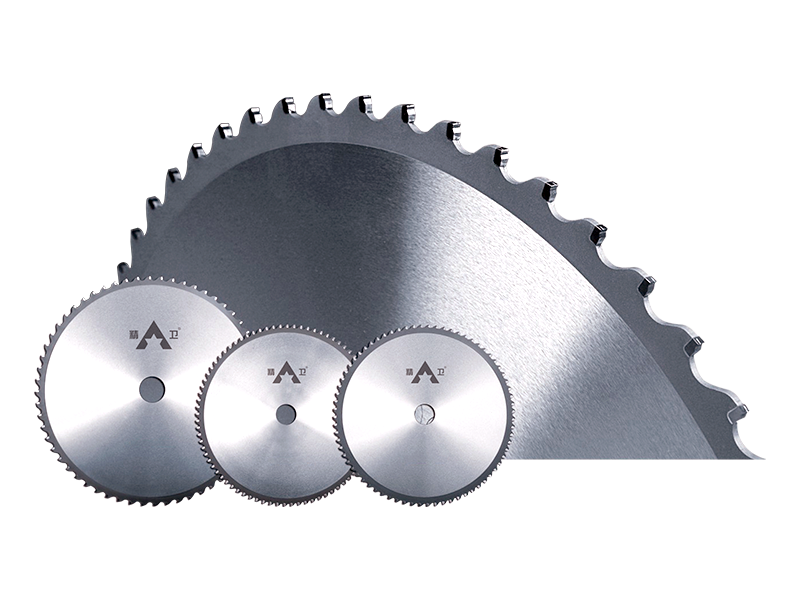
Druhým bežným rizikom je ignorovanie vzťahu medzi strojom a pílovým kotúčom. Automatické kotúčové píly fungujú najlepšie s kotúčmi prispôsobenými materiálu a rozsahu otáčok stroja. Špecifikácia kotúča priamo ovplyvňuje kvalitu rezu, čas cyklu a prevádzkové náklady, takže kotúč by sa mal považovať skôr za súčasť systému zariadenia ako za samostatný nákup.
Pre hlbší pohľad na to, ako cyklus rezania funguje v praxi, je táto príručka automatická kotúčová píla 101 vysvetľuje, ako nastavenia posuvu a rýchlosti spolupracujú s výberom kotúča. Je to užitočná referencia, pretože rovnaké princípy platia pre väčšinu automatických kotúčových píl na trhu, bez ohľadu na výrobcu.
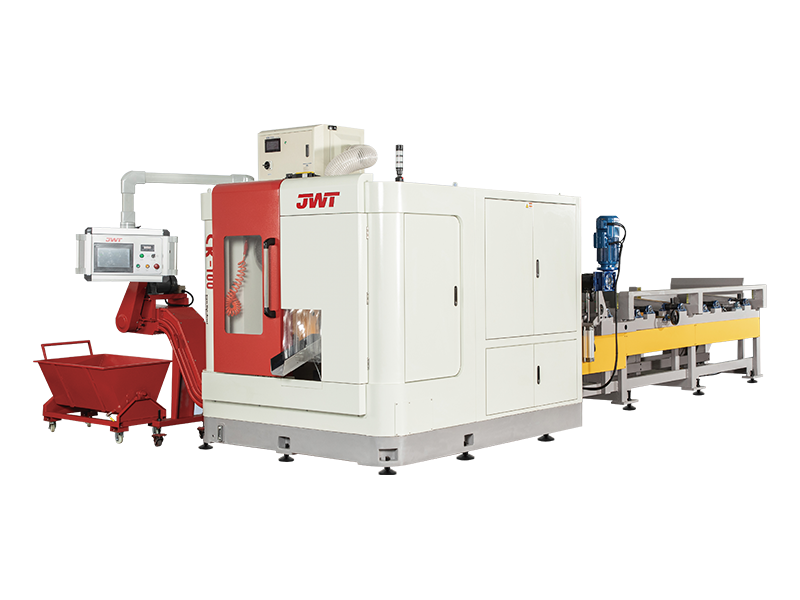
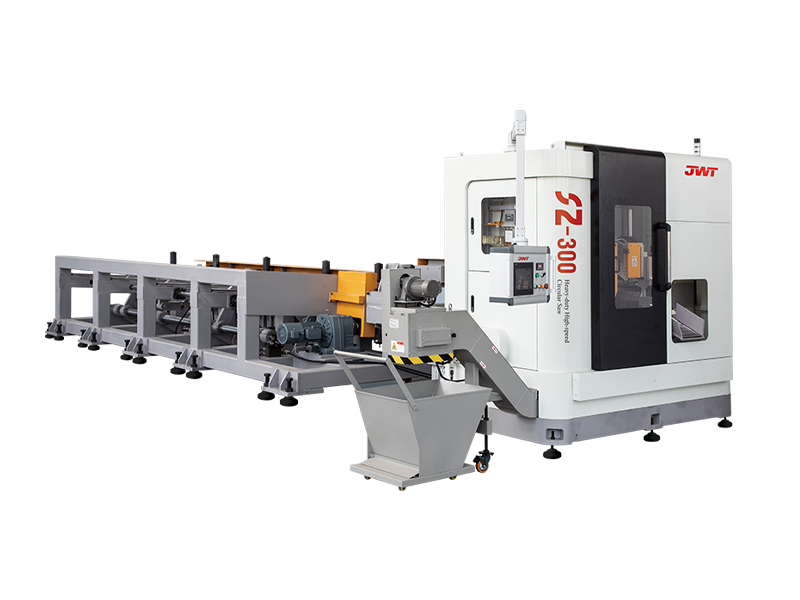 Vysokovýkonná vysokorýchlostná kotúčová píla na nehrdzavejúcu oceľ Táto vysokovýkonná píla, založená na ultra-vysokorýchlostnej platforme, je navrhnutá na rezanie nehrdzavejúcej ocele. Zvýšená tuhosť a životnosť čepele z neho robí spoľahlivú voľbu pre obchody, ktoré prechádzajú na automatizované veľkoobjemové prevádzky. Zobraziť produkt →
 Kde sa automatické kotúčové píly oplatia najviac
Zatiaľ čo zariadenie je užitočné v mnohých prostrediach na obrábanie kovov, niektoré odvetvia ťažia z prechodu na automatizáciu jasnejšie.
Kovanie
Kovanie shops typically need to cut billets from alloy steel or carbon steel bars at a consistent length. The blanks are then heated and forged into parts such as crankshafts, gears, or connecting rods. Because the forging process assumes a fixed billet volume, any variation in cut length causes deviations in the finished part. Automatic circular saws provide the repeatability that forging operations need. A high-speed machine can also feed the furnace line without human intervention, reducing the labor required for this stage.
Výroba ložísk
Ložiskové krúžky a valivé telesá sú vyrobené z prvotriednej ložiskovej ocele. Materiál je tvrdý, kvalita rezu musí byť vynikajúca a objem výroby je zvyčajne vysoký. Automatické kotúčové píly v tejto aplikácii žiaria, pretože vytvárajú hranaté plochy rezu s minimálnym otrepom, čo znižuje množstvo odoberaného materiálu pri následnom sústružení alebo brúsení. Výsledkom je nižšia spotreba materiálu a dlhšia životnosť nástroja v následných operáciách.
Rezanie rúr a rúr
Pri aplikáciách konštrukčných rúr, rúr kotlov alebo hydraulických valcov musí proces rezania zvládnuť tenké steny bez toho, aby došlo k zrúteniu kruhovej časti. Na tento účel sú k dispozícii vysokorýchlostné píly na rúry a automatický podávací systém zaisťuje, že rez zostáva kolmý na os rúry aj pri dlhých výrobných sériách.
V prostredí kovania, kde je hlavným zameraním čas cyklu, a 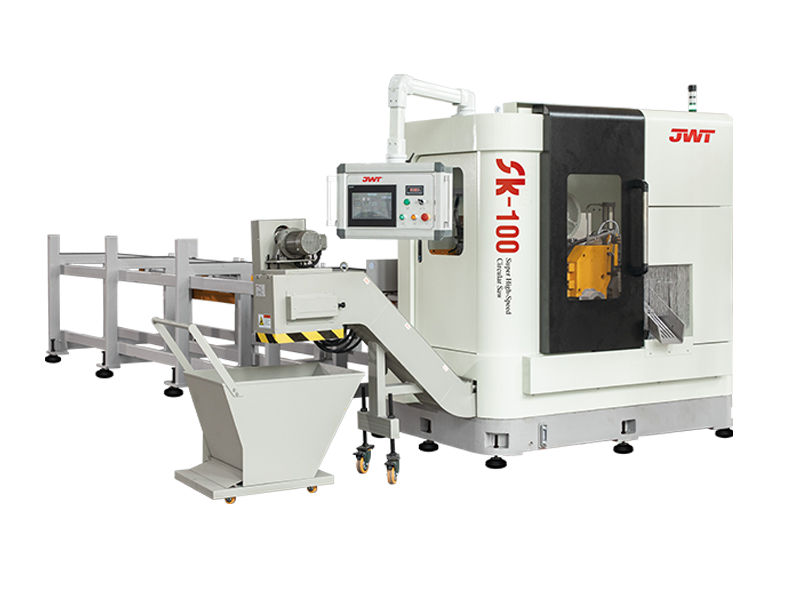 Super vysokorýchlostná kotúčová píla pre maximálny výkon Táto super vysokorýchlostná píla, navrhnutá pre prostredia s kovaním, skracuje čas cyklu na jeden rez pri zachovaní presnosti dĺžky. Hodí sa do automatizovaných liniek na prípravu polotovarov a podporuje väčšiu integráciu toku materiálu. Zobraziť produkt → pridáva vyšší rozsah reznej rýchlosti pre úlohy, ktoré vyžadujú maximálny výkon. Tento typ stroja je určený pre obchody, ktoré potrebujú skrátiť čas cyklu na jeden rez a zároveň zachovať konzistentnú presnosť dĺžky pre následné procesy.
Automatizované výrobné linky
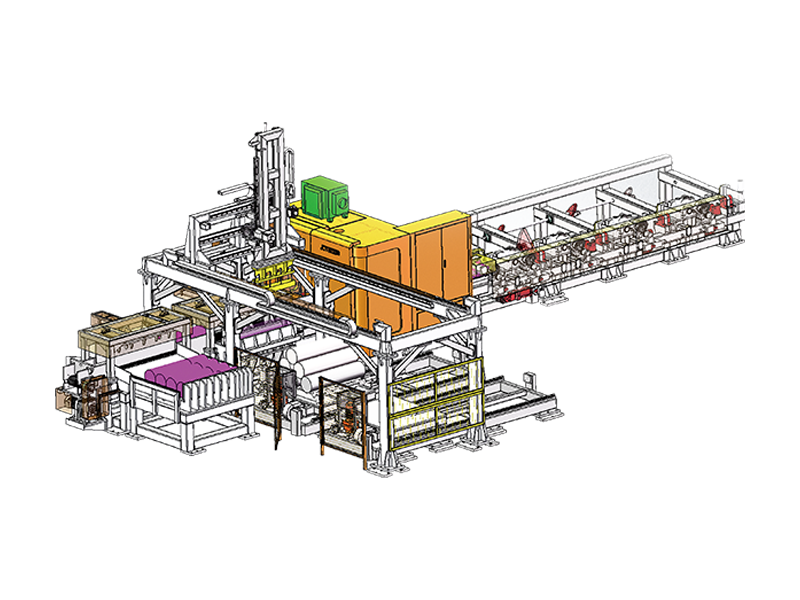
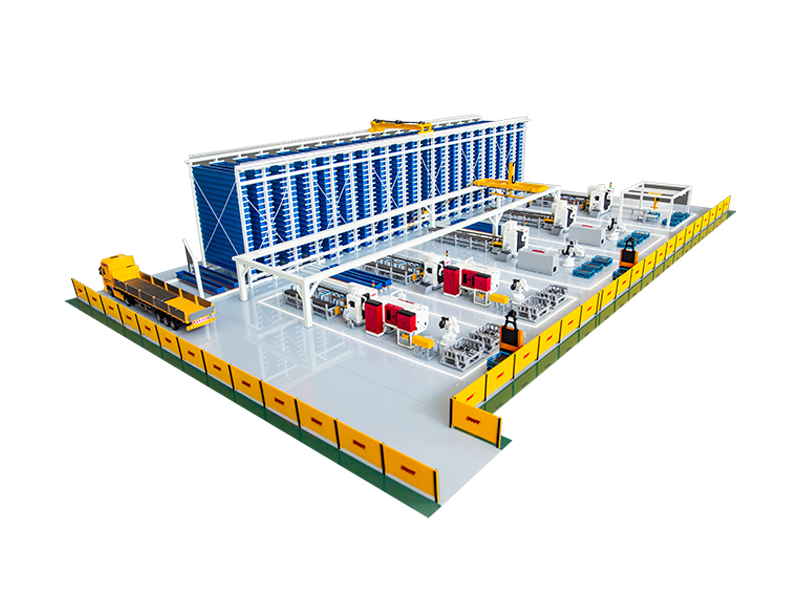
Mnoho obchodov nehľadá ani jednu pílu. Hľadajú rezaciu stanicu, ktorá sa hodí do väčšieho toku materiálu. Automatické kotúčové píly sa často kombinujú so skladovacími regálmi, dopravníkmi, strojmi na zrážanie hrán a robotickým vykladaním. Integrácia umožňuje, aby rezacia stanica fungovala ako súčasť kompletnej linky na prípravu polotovaru. Pri hodnotení potenciálneho dodávateľa sa oplatí opýtať sa, či môže dodať pílu aj nadväzujúce vybavenie potrebné na vytvorenie tohto celého procesu. Tu môže integrovaný prístup k rezaniu a zrážaniu hrán priniesť ďalšie úspory.
Výber automatickej kotúčovej píly na rezanie kovov v konečnom dôsledku spočíva v troch otázkach. Pokrýva stroj priemery a dĺžky materiálu, ktoré skutočne prevádzkujete? Reže tieto materiály v takom čase cyklu, ktorý podporuje váš výrobný cieľ? A sú náklady na rez, berúc do úvahy životnosť kotúča a požiadavky na konečnú úpravu, nižšie ako vaša súčasná metóda? Ak je odpoveď na všetky tri otázky áno, stroj je solídnou investíciou.
Za zváženie stojí aj možnosti dodávateľa nad rámec samotného stroja. Výrobca s vlastnou výrobou čepelí a osvedčenými skúsenosťami s kovaním a aplikáciami ložísk môže podporovať zariadenie počas celej jeho životnosti. Spoločnosti ako Obrábací stroj Zhejiang Jingweite ponúka rad vysokorýchlostných kotúčových píl, jednoúčelových pílových kotúčov, upínacích strojov a automatizovaných výrobných liniek. Táto integrovaná štruktúra produktu umožňuje kupujúcim získať kompletné rezacie riešenie od jedného partnera, čo zjednodušuje údržbu a zlepšovanie procesov.
Správna automatická kotúčová píla nie je len rýchlejšia výbava. Je to základ pre predvídateľnejšiu a nákladovo efektívnejšiu operáciu rezania kovov. $
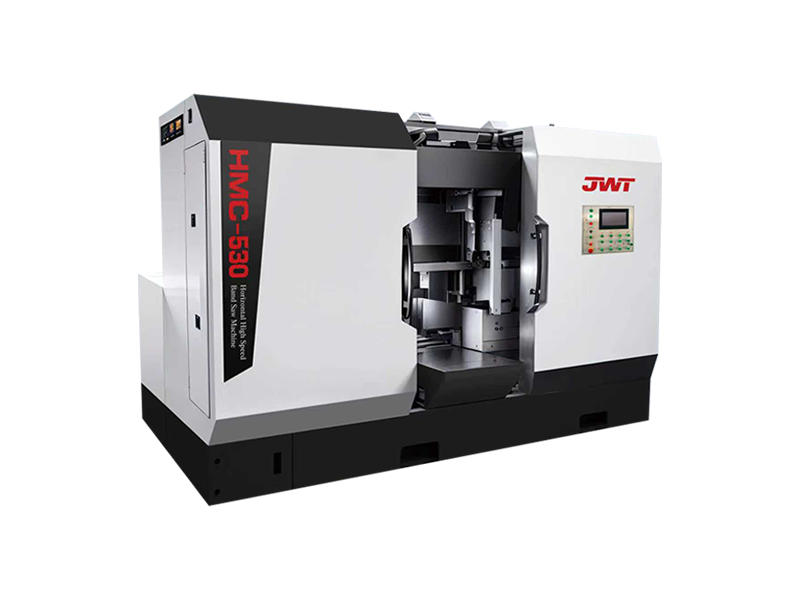
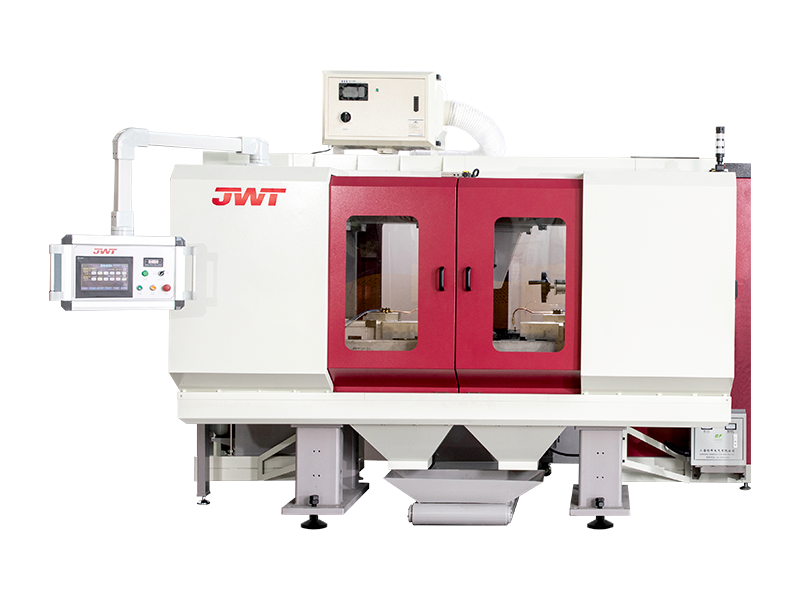
Ak máte záujem o našu kotúčovú pílu alebo výrobnú linku, kontaktujte nás
KONTAKTNÉ ÚDAJE
Zhejiang Jingweite Machine Tool Co.,Ltd.
- No.661 Jiyi Road, Wanghai Hi-tech Industrial Park, Haiyan, Jiaxing City, Province Zhejiang
- TEL:+86-0573-86035661
- E-Mail: [email protected]
Produkty
Rýchly odkaz
Mobilný terminál
